
Share the post "Imaan Sulaiman-Ibrahim to Launch National Strategy to End Child Marriage in Kano"
Federal delegation to commemorate 2026 International Day of the Girl Child
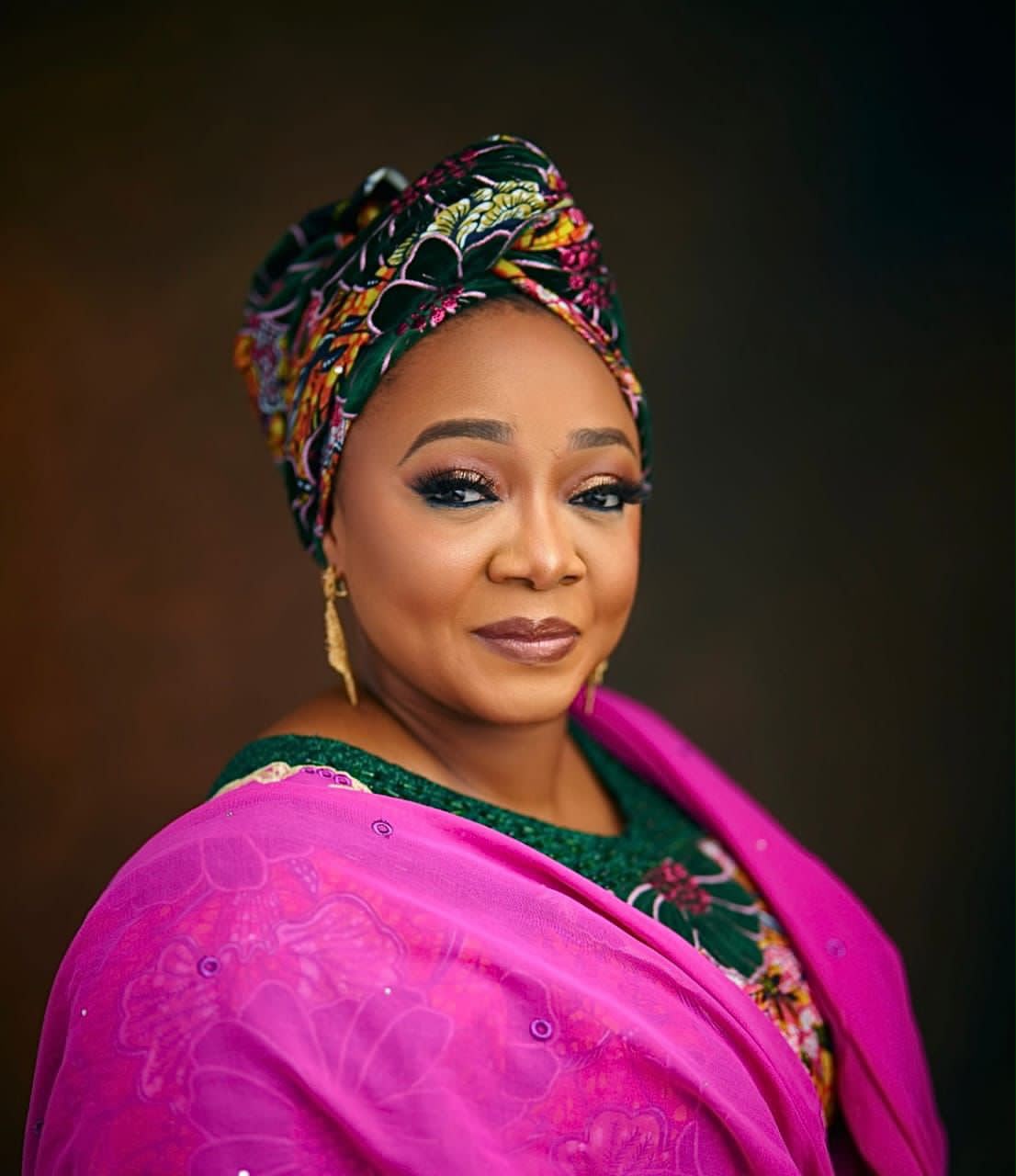
The Minister of Women Affairs and Social Development, Imaan Sulaiman-Ibrahim, is set to lead a high-level Federal Government delegation to Kano State on Tuesday, October 13, 2026, to commemorate the International Day of the Girl Child and launch Nigeria’s National Strategy and Costed Action Plan for Ending Child Marriage.
The event, organised under the theme “End Child Marriage and Invest in Girls’ Rights,” is expected to bring together traditional rulers, religious leaders, fathers, male advocates, development partners and adolescent girls to strengthen national efforts to protect girls’ rights and eliminate harmful cultural practices.
According to a statement issued by the Federal Ministry of Women Affairs and Social Development on Sunday, the programme will feature the official unveiling of the national strategy, empowerment packages for selected vulnerable girls and families, and stakeholder dialogues on education, child protection and the role of men in ending child marriage.
The ministry explained that the strategy would provide an operational and budgetary framework to guide federal and state governments, alongside development partners, in implementing coordinated interventions to end child marriage across the country.
It added that the empowerment initiative would provide educational and other targeted support to vulnerable girls and their families, while recognising parents who promote their daughters’ education and encouraging school retention.
Speaking ahead of the event, Sulaiman-Ibrahim stressed the importance of involving men and boys in efforts to end child marriage, noting that sustainable progress required collective responsibility among families and communities.
“Ending child marriage requires a united front where men and boys stand shoulder-to-shoulder with women and girls,” the minister said.
She further emphasised the roles of fathers, traditional rulers and religious leaders in protecting girls, promoting education and challenging harmful social practices.
“No girl should ever be denied her childhood, and together with our male allies across Nigeria, we are building a nation where every girl is safe, educated, and empowered,” she stated.
Government Strengthens Child Protection Measures
The planned Kano visit comes amid Federal Government efforts to strengthen child protection, promote gender equality and improve access to education for vulnerable children under President Bola Ahmed Tinubu’s Renewed Hope Agenda.
The ministry noted that the declaration of 2026 as the Year of Families and Social Development underscored the importance of strengthening family structures and promoting responsible parenting, particularly the role of fathers and male guardians in safeguarding the rights and future of their daughters.
It disclosed that it had developed, reviewed and validated more than 38 policy instruments, standard operating procedures and specialised frameworks aimed at improving the protection and welfare of women, children, families and other vulnerable groups.
Among the initiatives highlighted are the ongoing review of the Child Rights Act 2003, in collaboration with the Federal Ministry of Justice, and the comprehensive review of the National Child Policy of 2008 to address emerging challenges affecting adolescent girls, including digital safety and social protection.
The ministry also cited the adoption of Nigeria’s first National Strategy on Menstrual Health and Hygiene, the ongoing review of the Second National Gender Policy, and efforts to ensure the inclusion of women and girls with disabilities in protection, education, digital skills and economic empowerment programmes.
Other interventions include the Girl Child Development Desk, the “See Something, Say Something, We Do Something” child protection campaign, the Future Now Initiative for science, technology, engineering and mathematics education, and the Care Economy agenda, which seeks to reduce excessive unpaid domestic responsibilities placed on young girls.
The ministry further highlighted the Nigeria for Women Programme Scale-Up, supported by a $500 million World Bank expansion, as part of broader efforts to improve household financial security and reduce economic pressures that can contribute to early marriage and disrupt girls’ education.
Stakeholders to Discuss Positive Masculinity
A major feature of the Kano commemoration will be an intergenerational dialogue on positive masculinity and changing social norms.
The session is expected to provide a platform for fathers, traditional and religious leaders, and adolescent girls to discuss practical approaches to protecting girls and promoting their rights to education and personal development.
According to the ministry, the dialogue will also recognise male role models who actively support girls’ education and encourage community leaders to use their influence to discourage child marriage and other harmful practices.
The ministry called on state governments, traditional institutions, faith-based organisations, community leaders, fathers and youth groups across the 36 states and the Federal Capital Territory to support initiatives aimed at ending child marriage.
It stressed the need to translate policy commitments into concrete action, urging stakeholders to work collectively towards creating safer communities where every girl can enjoy her childhood, complete her education and realise her full potential.
The International Day of the Girl Child is observed annually on October 11 to highlight the rights of girls, draw attention to the barriers they face, and promote investment in their education, protection and empowerment.
Share the post "Imaan Sulaiman-Ibrahim to Launch National Strategy to End Child Marriage in Kano"
Discover more from Big News
Subscribe to get the latest posts sent to your email.