
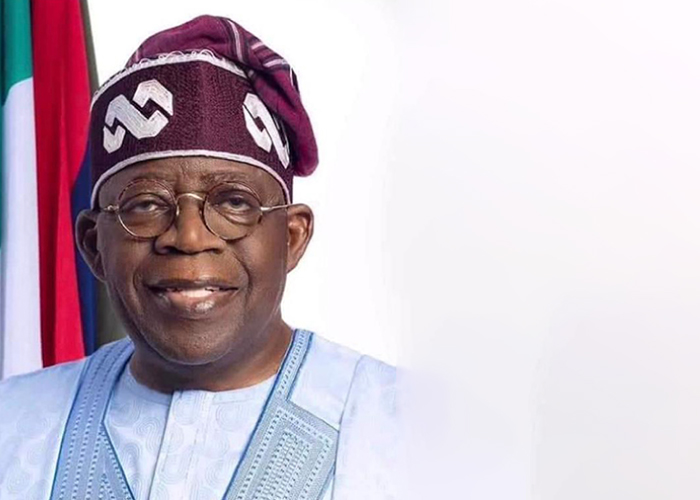
Share the post "Nigerian Political Landscape: Latest Updates, Government Policies, and Key Leaders"
Title: Nigerian Political News: In-Depth Analysis of Nigeria’s Current Political Landscape
Introduction:
Nigeria, a country known for its rich cultural heritage and diverse population, also boasts a dynamic political landscape that plays a crucial role in shaping the nation’s future. In this in-depth analysis, we will delve into the latest developments in Nigerian politics, examining government policies, the key political leaders, election updates, and policy reforms that are shaping the country’s trajectory.
Government Policies:
The Nigerian government, led by President Muhammadu Buhari, has implemented various policies aimed at addressing the country’s pressing issues. From economic reforms to security initiatives, the government’s policies have a significant impact on the lives of Nigerian citizens. One of the key areas of focus has been on boosting the economy, with policies aimed at improving infrastructure, attracting foreign investment, and promoting job creation.
Political Leaders:
In Nigerian politics, the role of political leaders is paramount. From President Buhari to key figures in the opposition parties, the decisions and actions of these leaders shape the country’s political landscape. Understanding the motivations and strategies of these leaders is essential in gaining insights into the direction of Nigerian politics.
Election Updates:
Elections in Nigeria are always a hotly contested affair, with each election cycle bringing new challenges and opportunities. From local council elections to presidential polls, staying abreast of the latest election updates is crucial for understanding the dynamics of Nigerian politics. Recent elections have seen increased voter participation and calls for electoral reforms to ensure transparency and fairness.
Policy Reforms:
Policy reforms are an integral part of Nigeria’s political landscape, with changes in legislation and regulations impacting various sectors of society. From healthcare to education, infrastructure to security, policy reforms play a crucial role in shaping the country’s development. Understanding the rationale behind these reforms and their potential impact is key to navigating Nigeria’s complex political terrain.
Conclusion:
In conclusion, Nigeria’s political landscape is a vibrant and ever-evolving entity that requires careful analysis and understanding. By examining government policies, key political leaders, election updates, and policy reforms, we can gain valuable insights into the forces shaping the country’s future. As Nigeria continues on its path of development and progress, staying informed about the latest political developments is essential for all stakeholders in the country’s future.
Share the post "Nigerian Political Landscape: Latest Updates, Government Policies, and Key Leaders"
Discover more from Big News
Subscribe to get the latest posts sent to your email.